
Commercial kitchen exhaust cleaning · Houston
A clean hood proves nothing. We'll show you the duct.
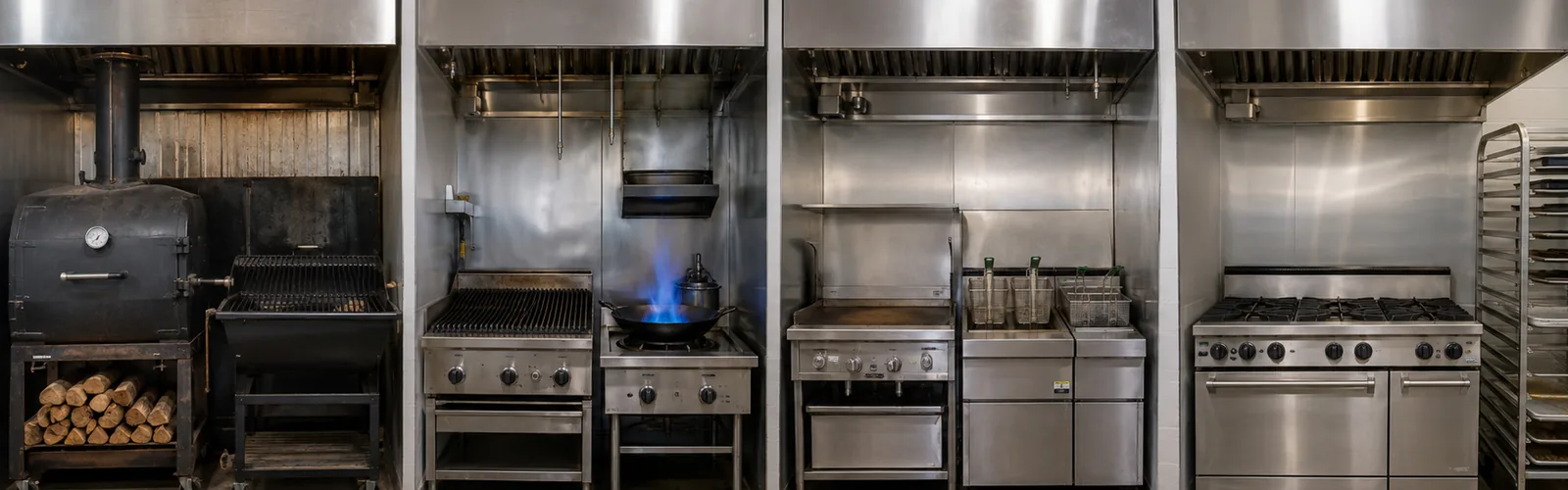
We clean the hood, filters, ductwork and rooftop fan. You get photos of every section and a written report of anything we could not reach.
From $425One hood · 3–4 hoursSee scope and pricing →
Send 4 photos for a firm price tonight. Can’t safely reach the roof? Just tell us.
We work around your schedule: any hour, any day · Calls and texts 9am–6pm, answered any time
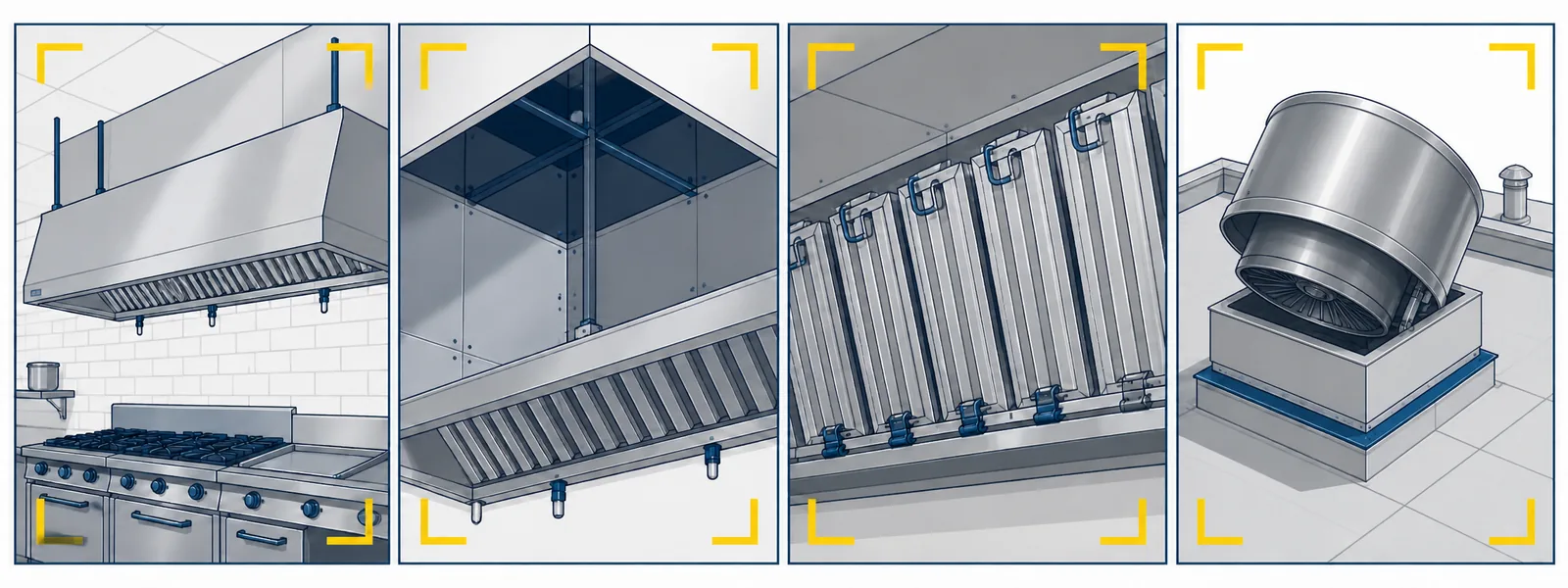
The amber line is the grease path. Sections 3 through 7 are the ones you cannot see from the cook line — and the ones that fail an inspection.
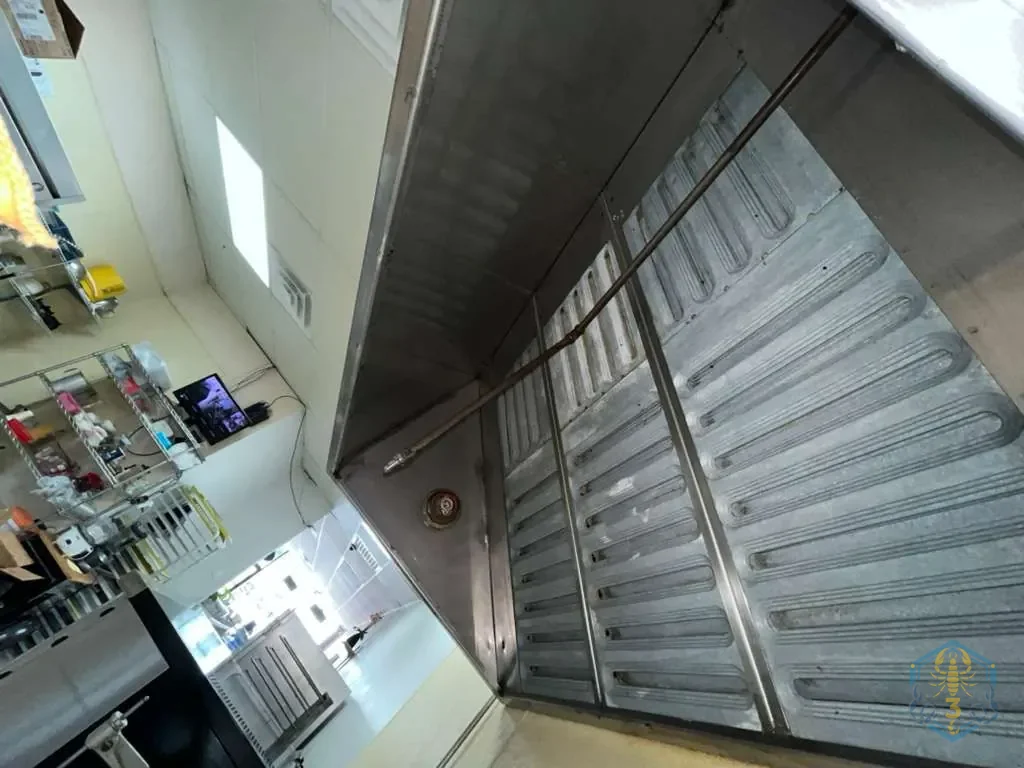
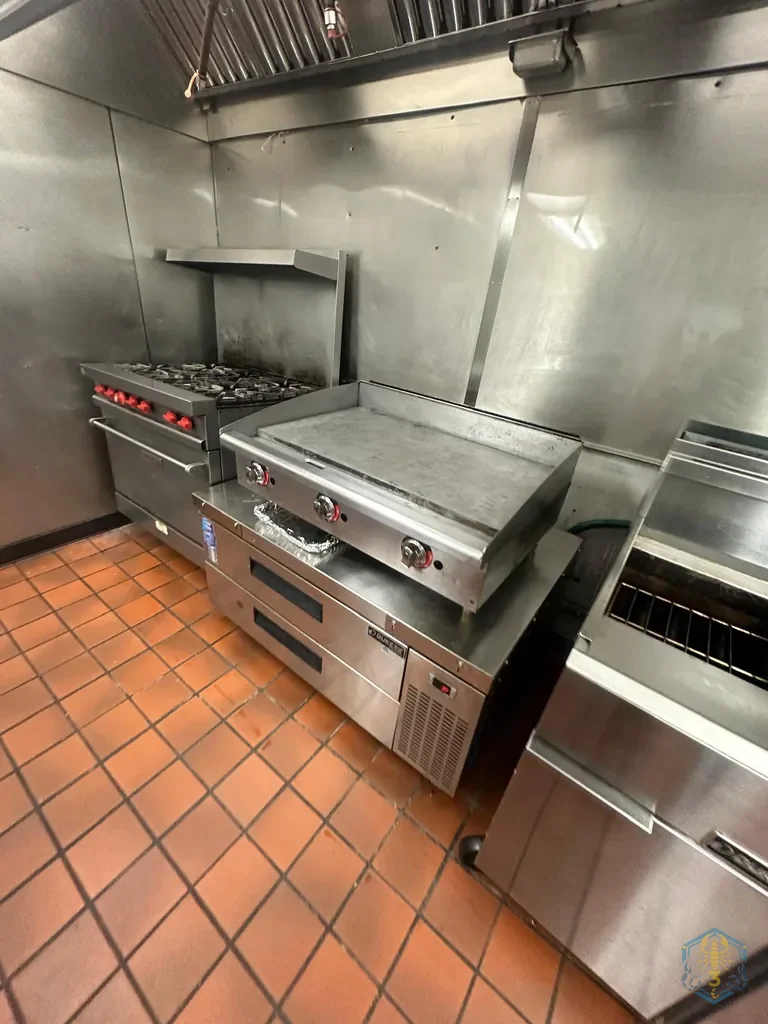
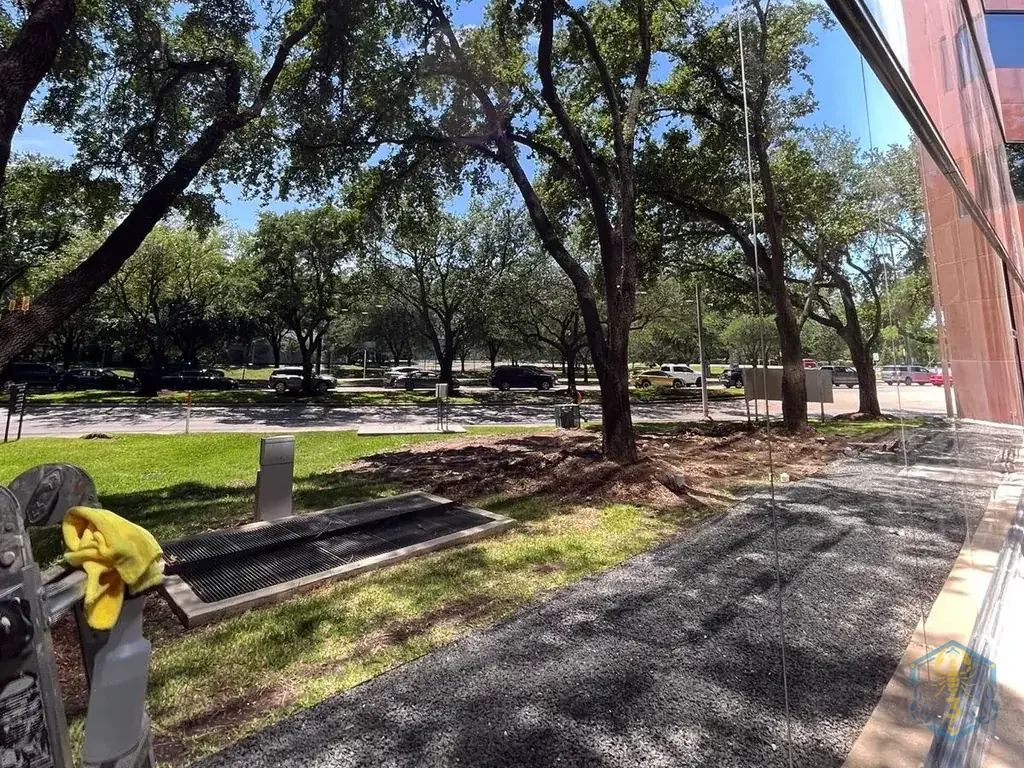
How it works
- Text 4 photos
The front of the hood, above the filters, the filter bank, the rooftop fan. Any hour, from any phone.
- Firm price tonight
One number by text. It does not change when we arrive.
- We come when you're closed. You open on time.
Cleaned to bare metal, a dated tag on the hood, and photos of every section in your inbox before your first cook clocks in.
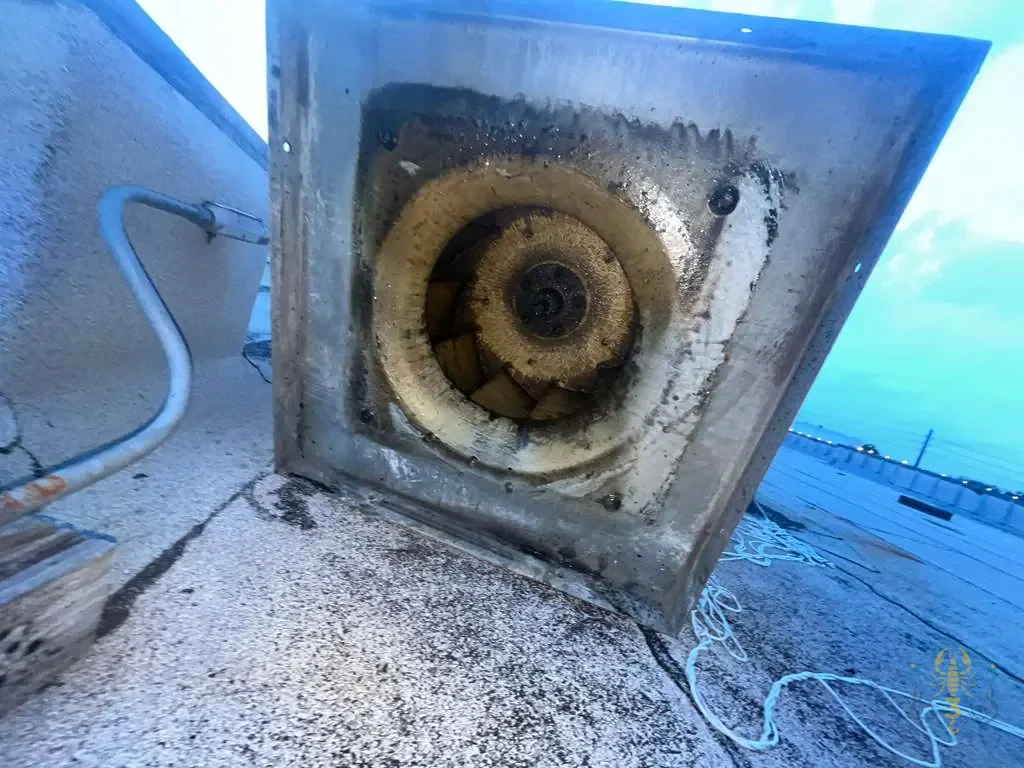
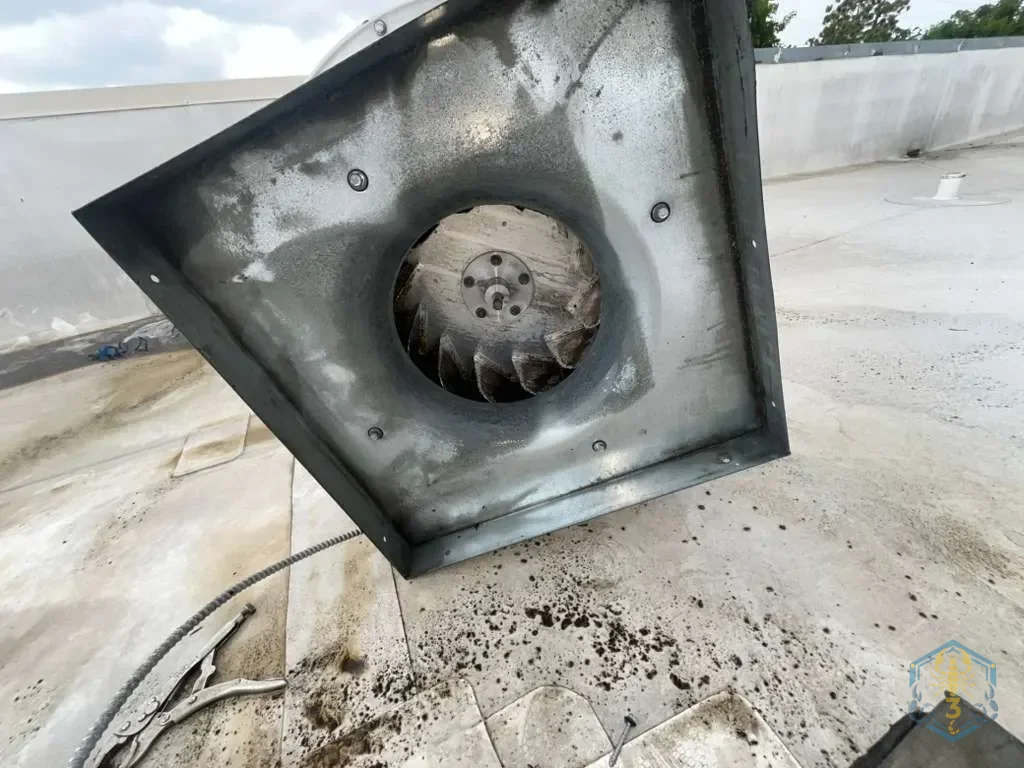
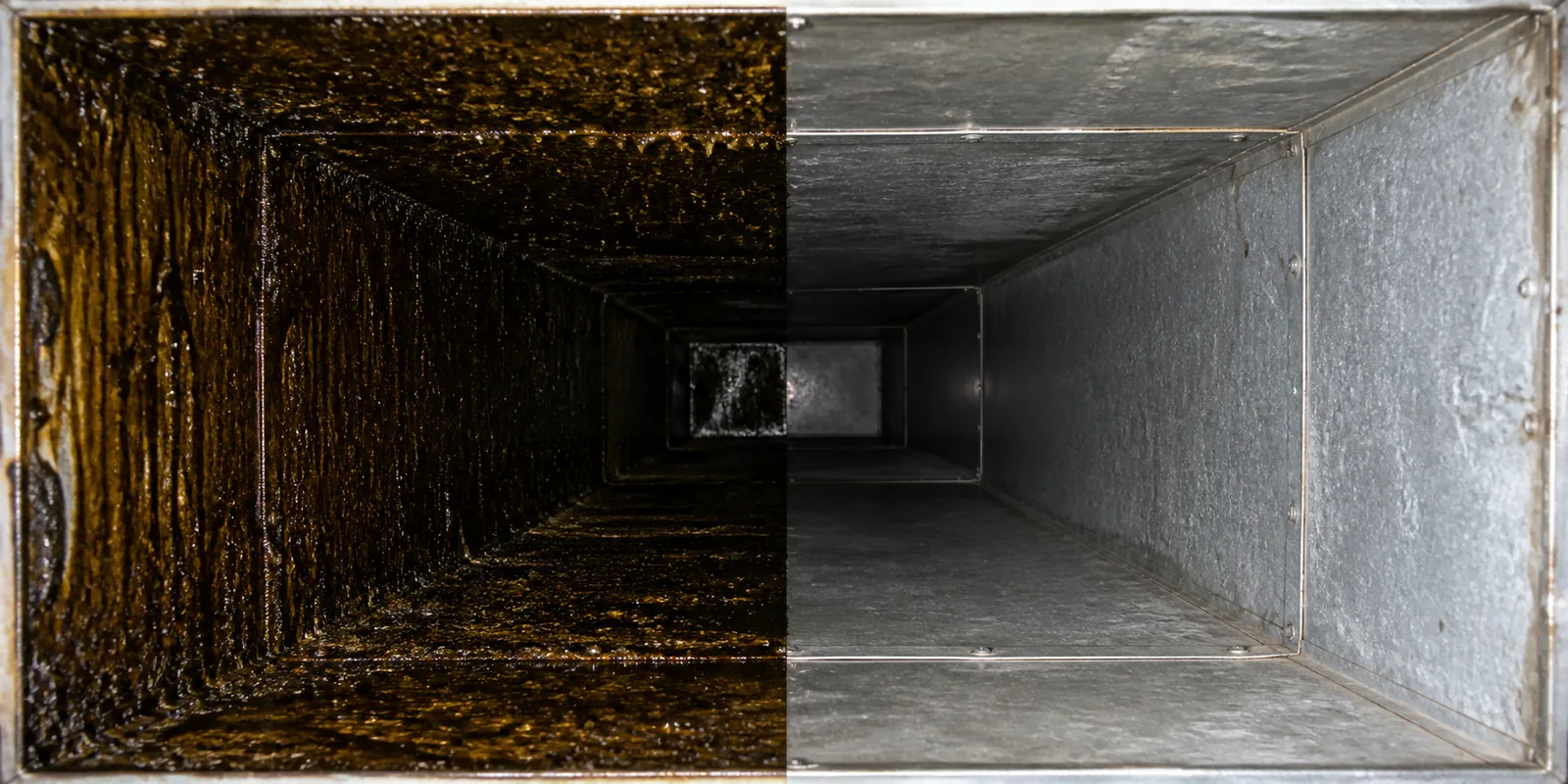
Section 7 of the diagram, in real life
This is the part nobody photographs.
Because it is the part nobody cleans. A rooftop fan hinged open on its curb, before and after one overnight visit. A shiny hood interior proves none of this.
Who we serve
Any kitchen with a grease filter over a cooking appliance is covered by the code — and by us. The rooms around it, too.
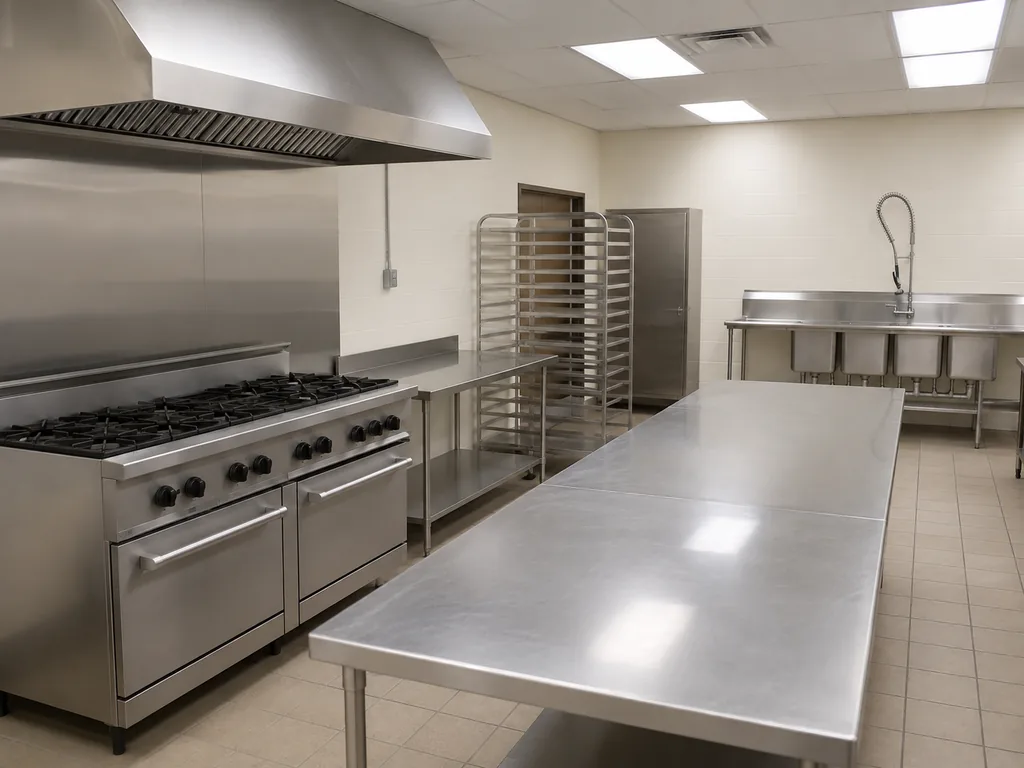
- Restaurants and cafés — from a taquería to a 40-table dining room.
- Bars, breweries and food halls — the fryer bank behind the bar counts.
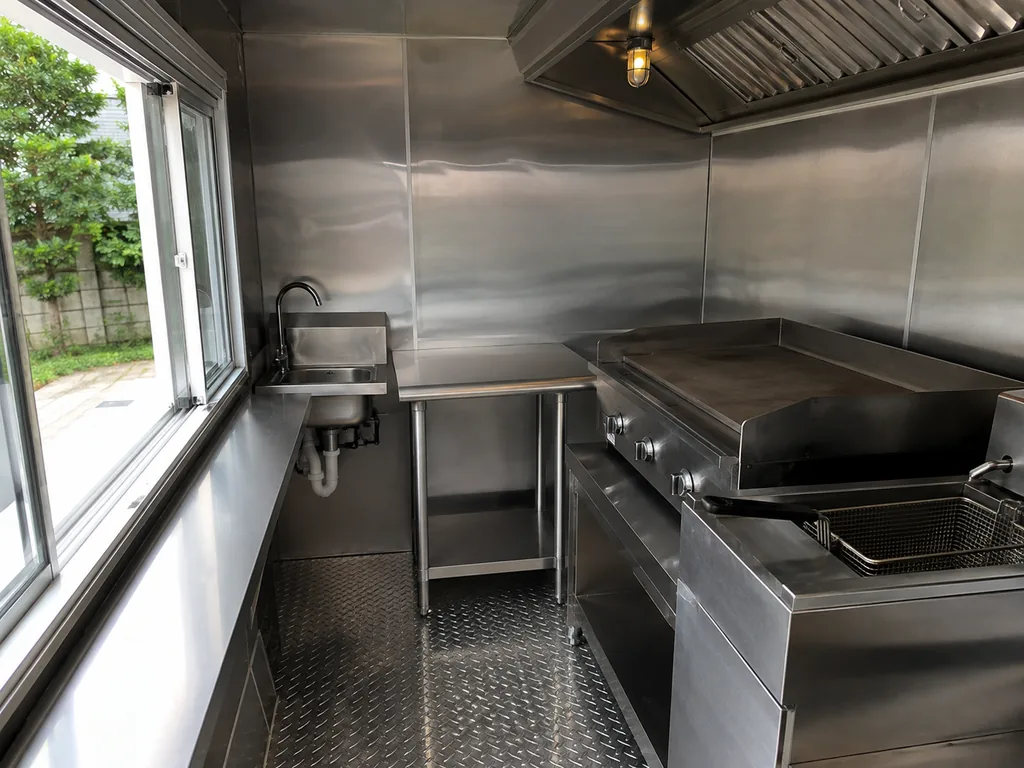
- Food trucks and trailers — the hood is smaller. The grease is not.
- Churches, schools and senior centers — seasonal kitchens on a 12-month cycle.
- Ghost kitchens and caterers — no dining room, same duct.
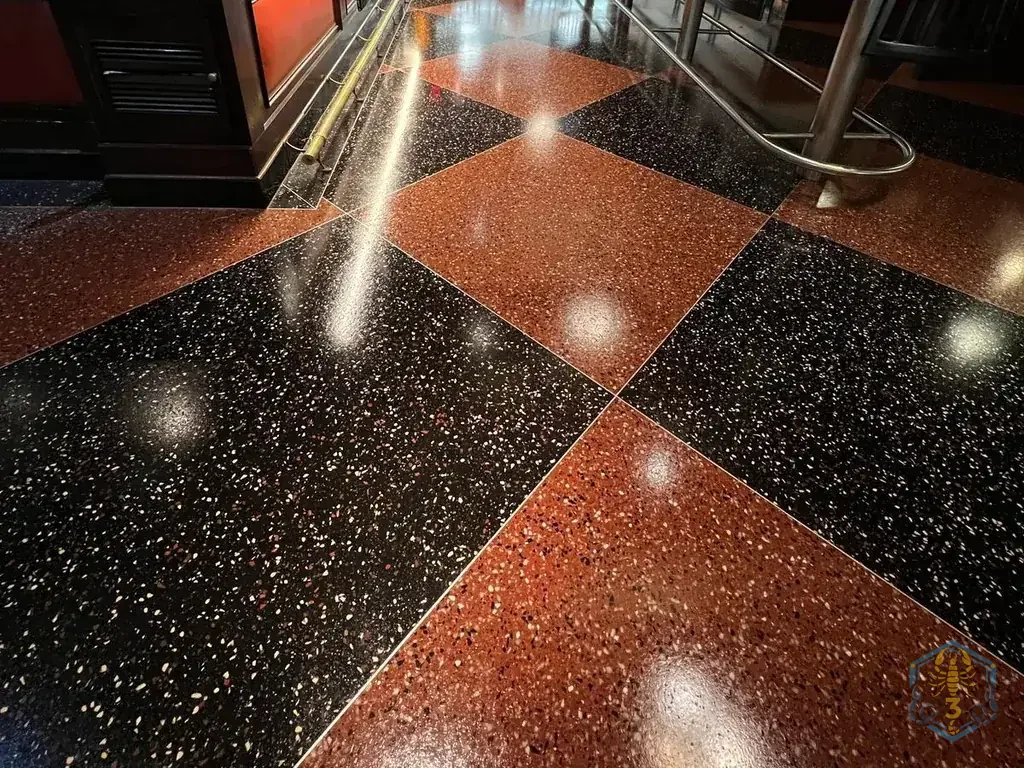
- Offices — break rooms, floors and restrooms, after hours.
Six promises. Each one has a mechanism.
Every hood cleaner in Houston says “certified”, “24/7” and “best”. We'd rather tell you what happens if we fall short.
Bare metal, or we come back free.
Pull any filter, open any panel we listed. Not bare metal? Back within 72 hours, re-cleaned free, certificate re-issued.
The Flashlight Guarantee
Out before your first person walks in.
We start after close. If your opener finds our equipment, our mess, or us — that visit is free.
The Morning Guarantee
A firm price tonight, from four photos.
One number by text. It doesn't change when we arrive. If we find something the photos didn't show, we stop, photograph it and text you before touching anything.
How pricing works
Cleaned to the standard the code names.
ANSI/IKECA C10-2021 — the method Houston's fire code points to — written on your certificate, section by section. Not a badge. A method you can read.
What the certificate says
Your hours, not ours.
24 hours a day, 7 days a week: after close, before you open, a holiday, a Sunday morning — you pick the window and we fit it. Calls and texts 9am–6pm, and we answer outside that too.
Hours, stated as a commitment
Proof, not adjectives.
A dated tag on the hood, a signed certificate, 16+ photos, and a written list of anything we could not reach. Nothing on this page you can't check.
What you're holding when we leave
What the promises cover
Our work: every surface we listed as cleaned. The inspection itself also looks at things we don't service — suppression, extinguishers, appliance positions — and anything we couldn't reach is on your certificate with a photo, so there are no surprises either way.
Did you actually clean above the filters, or just what I can see?
Fair question. It is the most common complaint restaurant owners have about this trade, and there is a reason: the part of your system that fails an inspection is the part you cannot see from the cook line.
So here is the test. After we leave, pull one filter and shine a flashlight up into the plenum. Pop the access panel on the vertical riser. Then get up and look at the base of the exhaust fan. The trade calls the standard cleaned to bare metal, and the method the fire code names by reference is ANSI/IKECA C10-2021. If any surface we cleaned and listed on your certificate is not bare metal, we come back within 72 hours and re-clean it free.
Better: don't wait. Text us when you're on site and we'll walk the roof with you before we pack up.
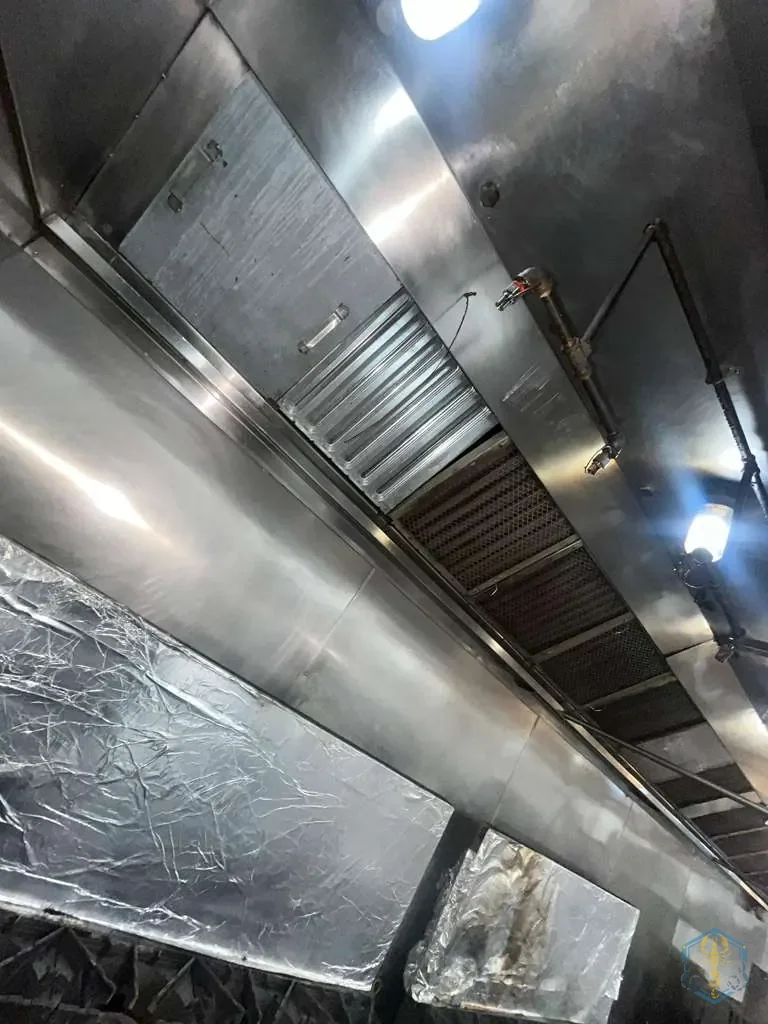
You open to a kitchen cleaner than you left it.
Here is the containment plan, in writing, before you book it.
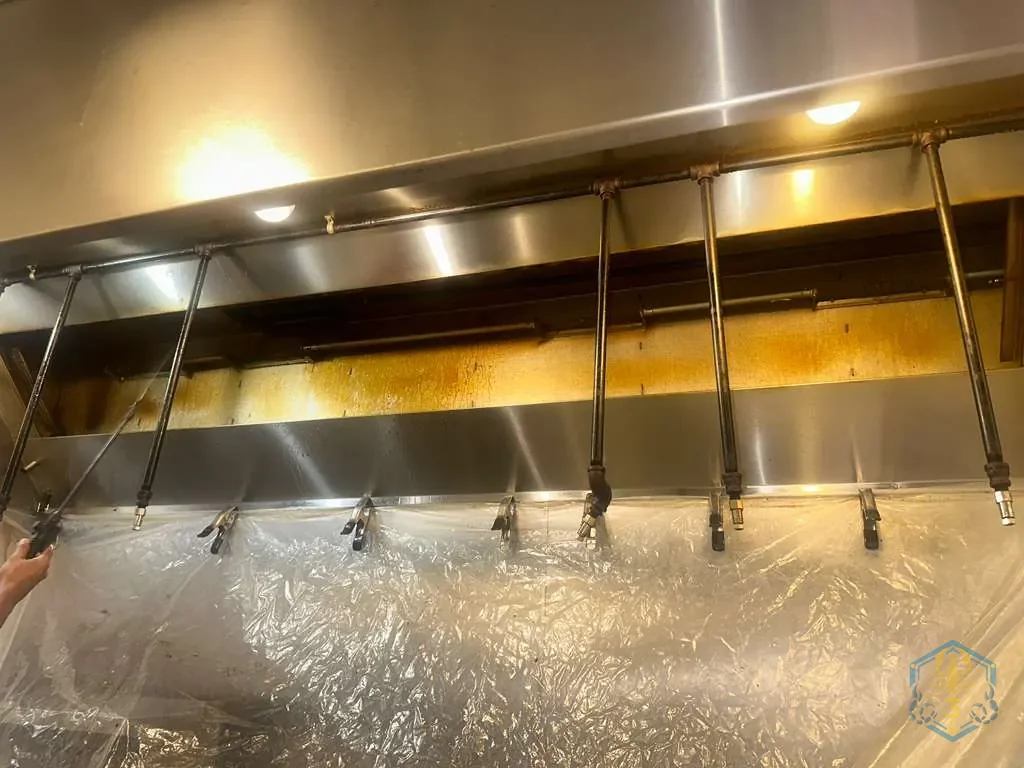
Pilot lights out and gas off at the appliance. The suppression pull station stays covered and untouched. Plastic draped from the hood lip into collection barrels — not onto your floor. Filters come out and get washed in a contained tray on our truck, never leaned against the front of your building and blasted, which is how grease ends up on your windows and your brick. Equipment moved, not stood on. Rooftop containment emptied and replaced. Floors degreased and mopped, walls wiped, stainless polished, and we walk your parking lot before we leave.
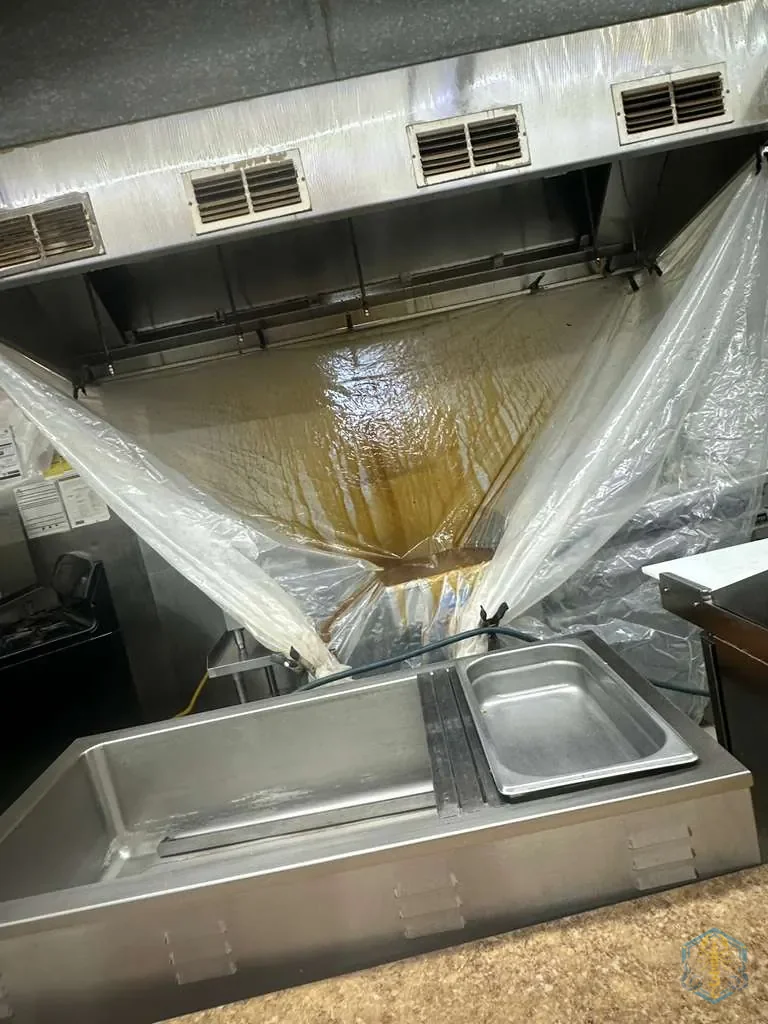
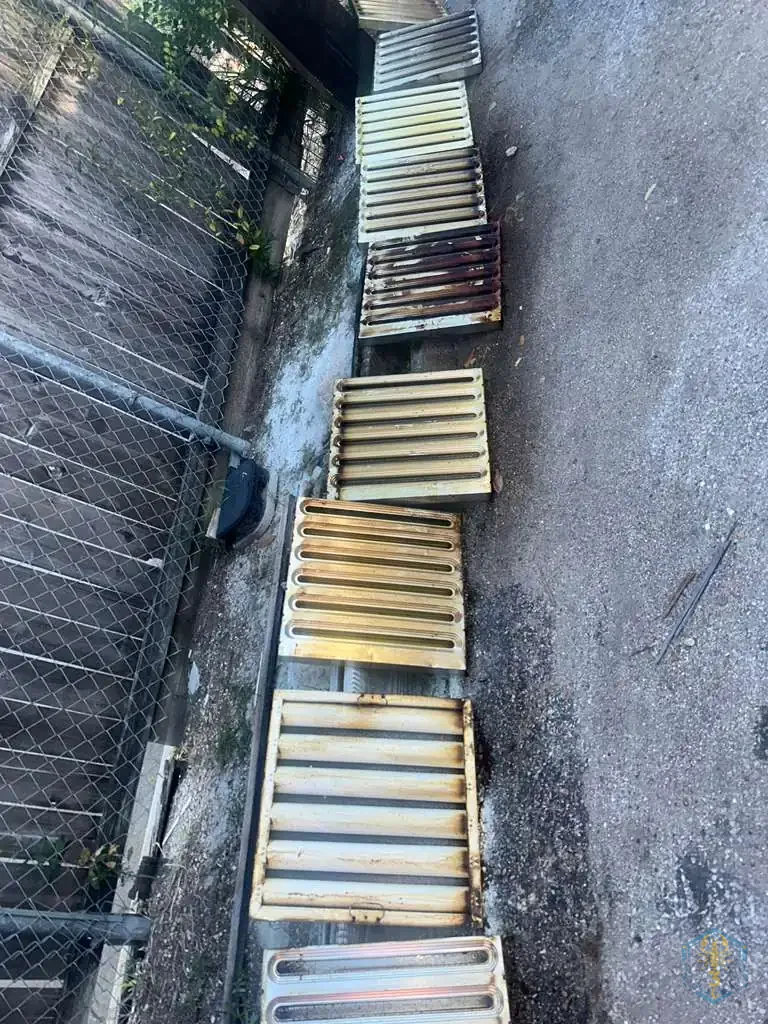
In writing, before you book it.
If you or your landlord find grease we left, we're back within 48 hours and we pay the cleanup.
What we do before we touch anything
A procedure, not a promise. The same one every night.
- Everything photographed first
Before we start, we photograph your line and every piece of equipment we move, and we mark its position in tape.
- We move it, we don't stand on it
We move your equipment. We do not stand on it. Ever.
- Your suppression system
Pilot lights off, gas off at the appliance, suppression nozzles bagged so degreaser stays out — and every nozzle photographed uncovered before we leave. If your fusible links are past date, we tell you and hand you your suppression vendor's number.
- Put back where it was
Gas restraint cables reattached and photographed. Appliances back on their marked positions, because a fryer moved eighteen inches sits outside the nozzle's listing.
- Insured before we arrive
Our Certificate of Insurance goes to your email before we arrive, with your restaurant named as certificate holder and the insured name reading 3 Scorpion Services LLC.
- One named person
The person who quotes your job is the person who cleans it and signs the certificate. You get that name and a direct number before the night of the service — not a subcontractor, not a rotating crew, not somebody you haven't met.
Servicio en español — el técnico, la orden de trabajo, el certificado y el reporte con fotos.
What you're holding when we leave
Four things, and you can look at all four before you hire us.
A dated tag on your hood carrying our name, address, phone and the date of service — the four things the 2021 International Fire Code requires (§606.3.3.3.1) — plus a QR code. Your inspector scans it and the whole report opens on his phone. The old tag comes off, as the code requires, and we photograph it coming off.
A signed certificate naming the individual who did the work, the company, a description of what was done, and when — the four record fields the code actually mandates (§606.3.3.3).
Sixteen photographs. Ten before-and-after pairs by component: hood interior, filter bank, filter track empty, plenum, horizontal duct at each access panel, vertical riser, fan blades, fan housing, rooftop containment, roof surface under the fan. Plus six after-only shots of things we put back the way we found them: every suppression nozzle uncovered, every restraint cable reattached, every appliance on its mark, the new tag installed, your floor, your roof. Each one date-stamped with your address in the corner of the frame.
A written list of anything we could not reach.
KITCHEN EXHAUST SYSTEM — CERTIFICATE OF PERFORMANCE
3 SCORPION SERVICES LLC · (409) 350-0409
- Certificate
- 3S-2026-0142
- Client
- ████████████████
- Service address
- ████████████ Houston, TX
- Service date
- 14 September 2026
- On site
- 23:10 – 03:05
- Technician
- ██████████
- Standard
- ANSI/IKECA C10-2021
- Code basis
- 2021 IFC §606.3.3
- Next inspection
- 14 March 2027 · 6 mo
Areas not cleaned
Vertical riser, upper 6 ft — no access panel present. Photo 11. Remedy: install one 20×20 in listed access panel. Quoted separately.
Sample. Client name redacted.
What we could not reach
NFPA 96 §12.6.15.2 requires the cleaning report to detail every area that was not cleaned — the ones that were inaccessible and the ones that were accessible and skipped — plus where your access panels are and where your ductwork leaks.
Sometimes there's no access panel on the vertical riser. Sometimes the roof hatch is padlocked and nobody has the key at 2am. Sometimes a seam is welded shut. When that happens it goes on the sticker, in the certificate, and in the report — with a photo, the reason, and what it would take to fix it, including the price.
You know about it before we leave — with a photo, the reason, and what it would take to fix it. No surprises at your next inspection.
What this costs. Yes, really.
Nobody in Houston publishes this, which is how you ended up reading a directory. Here is the real thing.
| Kitchen | Price | Time on site |
|---|---|---|
| Single hood, up to 12 linear ft, one exhaust fan, normal roof access | $425 typical $425–$550 | 3–4 hrs |
| Two hoods | $700–$1,100 | 4–5 hrs |
| Three or more, or heavy charbroil / wok | $1,100–$1,600 | 5–6 hrs |
| Food truck or one small hood | $225–$350 | 1.5–2 hrs |
| Wood or charcoal | Quoted from photos expect 25–40% above gas | varies |
Every price covers the whole system: hood, plenum, filters, horizontal duct, vertical riser, exhaust fan, and the roof. The roof is not an add-on. If a quote you're comparing doesn't say the word roof, ask why.
No hourly billing, no surprise access-panel charges. If we find something on site that changes the number — a collapsed duct, a welded seam with no access panel, a fan that has to come off the curb — we stop, photograph it, and text you before we touch anything.
If it hasn't been done in three years, the price is the price we texted you. No surcharge and no lecture. It may take us longer, and we'll tell you that before we start rather than after.
Included in every price. Not extras.
The roof. The rooftop fan, hinged open. Containment and the cleanup. The dated tag. The signed certificate. Sixteen date-stamped photos. And the text when your next interval comes up. If a quote you're comparing needs a second line item for any of these, it isn't the same job.
Everything on this page is something you can check.
Not “trusted since”. Not “certified”. Things with a number, a document or a phone call behind them:
- 3 Scorpion Services LLC — Texas Secretary of State file 0805989748. Look it up.
- Certificate of Insurance in your inbox before we arrive, with your restaurant named as certificate holder and the insured name reading 3 Scorpion Services LLC.
- Every certificate we issue, live at a verification link on the tag.
- The phone number of the last kitchen we cleaned near you. Ask for it and you'll have it tonight.
Ask for a reference and you get a phone number, not a screenshot.
2021 IFC Table 606.3.3.1
How often does Houston actually require this?
Careful here, because almost everyone in this trade gets it wrong twice.
First: Houston runs the 2021 International Fire Code. The section is §606.3.3 and the table is Table 606.3.3.1. If a vendor quotes you §609.3.3, they're reading the 2018 code.
Second: that table is an inspection frequency table, not a cleaning schedule. It's titled Commercial Cooking System Inspection Frequency. Cleaning is what happens when the inspection finds grease (§606.3.3.2), and the code names ANSI/IKECA C10 as the method.
Find your row and we'll show up on it.
Verified against the 2021 IFC as adopted by the City of Houston. Last checked 3 September 2026.
While we're there: the rest of the kitchen, and the office upstairs
We're already in at 1am with the line pulled out. Adding the back of house that night costs a fraction of a separate visit.
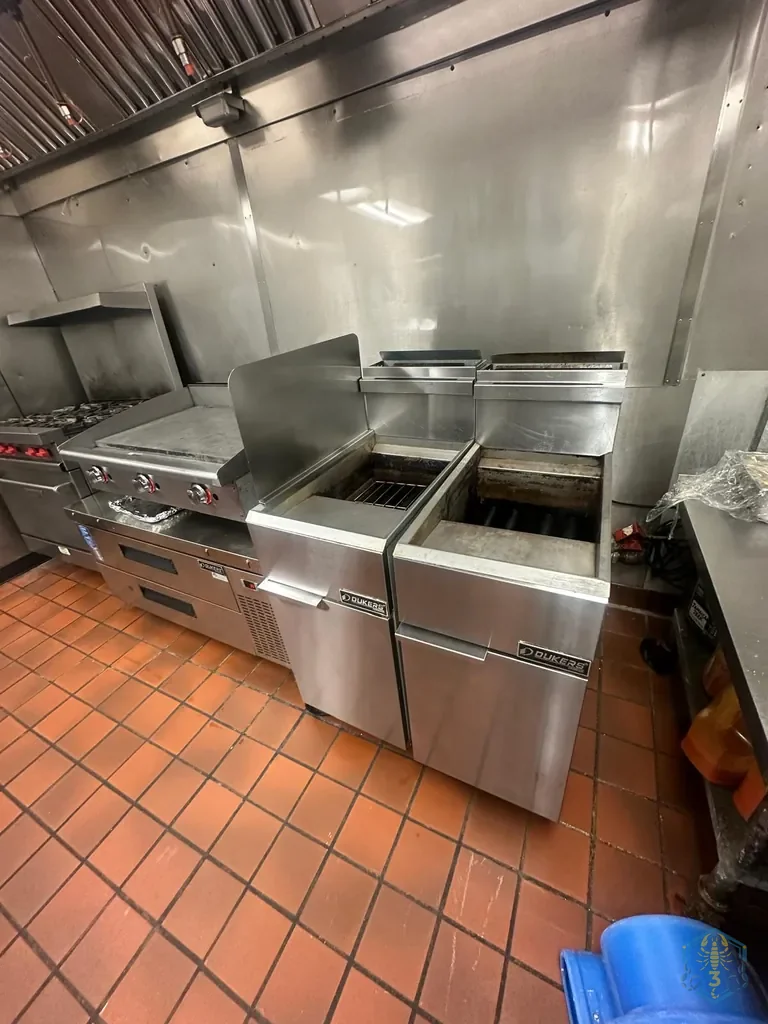
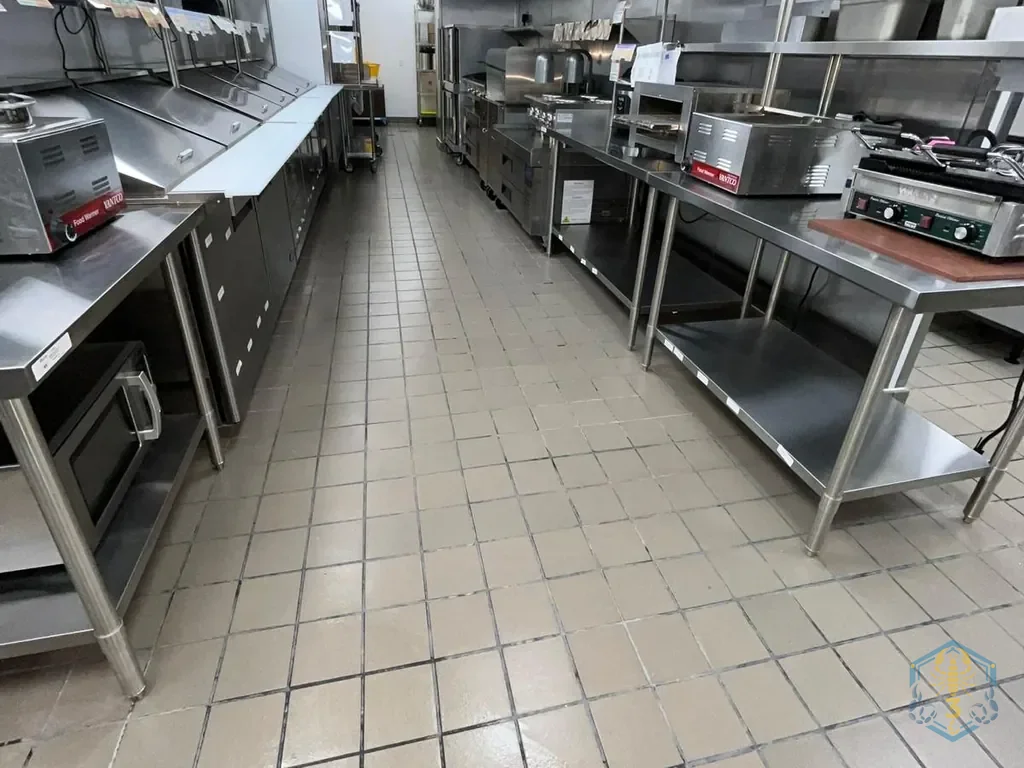
- Back-of-house floorsDegreased and scrubbed, drains and floor sinks included.
- Walls, ceiling tiles, hood exteriorThe film behind the line a nightly wipe never reaches.
- Equipment exteriorsRolled out, cleaned, put back on their marks.
- Offices, after hoursFloors, restrooms, break-room kitchens. Desks untouched.
What happens after you text us
You need it done while you're closed, out before prep, with paperwork your inspector and your insurance agent will accept — and you don't want to chase anyone for any of it. That's the whole job. Here's how it goes:
- You get a reply, not a ticket number. Between 9am and 6pm, usually inside the hour. Outside that we still answer — if we're inside a duct at 2am, you'll have it before 8am.
- We ask three things: how many hoods, what's cooking under them, and how we get to the roof. If you sent photos we may not ask that much.
- You get a firm price by text, in writing, with the scope spelled out. That number is what appears on the invoice.
- Say yes and we hold the night. You get the date, the arrival window, and our Certificate of Insurance with your restaurant named as certificate holder — before the night of, not after.
- Night of: We text when we're on the way. We drape and contain before anything gets wet, and we're gone before your prep cook arrives.
- Before we leave, the new tag is hanging in your kitchen with the date on it, and the old one is off.
- By the time you open, the report and the signed certificate are in your inbox — every section before and after, plus anything we could not reach. Forward it to your carrier or your landlord with one tap.
- When your next inspection interval comes up, we text you. Whoever booked us may not still work there. You never have to remember this again.
Most of our kitchens came from the kitchen next door. Send us a restaurant that needs this and you both get $50 off your next visit. An introduction from you is worth more to us than any ad.
Questions we get by text
How often does a Houston kitchen need this?
By cooking type, per 2021 IFC Table 606.3.3.1: monthly for solid fuel, quarterly for high volume (charbroiler, wok, 24-hour), every six months for most restaurants, yearly for low volume (churches, schools, seasonal). The inspector reads the date on the tag.
How long does it take?
Three to four hours for a single-hood kitchen, usually while you're closed. We start when you close and we're out before your first person walks in.
What does it cost?
$425 for a single hood up to 12 linear feet with one fan and normal roof access; the typical range is $425–$550. More hoods, more fans, solid fuel and hard roof access move the number — every driver is on the pricing page.
What's included?
Hood interior, filters, plenum, horizontal duct through every access panel, the vertical riser, the fan and the roof under it. Plus the dated tag, a signed certificate, 16+ photos and a written list of anything we could not reach.
Will it disrupt service?
No. We work around your hours — after close, before opening, or whenever the kitchen is idle, 24 hours a day, 7 days a week. Equipment is moved, cleaned behind, and put back on its marks; pilot lights relit.
What do I hand the inspector?
The tag on the hood, the certificate, and the photo report. Anything we couldn't reach is written on the certificate with a photo, so there are no surprises.
Do you clean the rooftop fan?
Yes. Hinged open, wheel and housing to bare metal, grease containment serviced. It's section 7 on the diagram — and the part most vendors skip.
Or fill this out — six boxes, no email required
Texting is faster. This goes to email and we read it every morning. If it's urgent, text.